A Marketer's Guide:
Changing Behavior

Key Insights and Best Practices to Influence and Change Consumer Behavior

Most marketing is based on rational thought. Yet research has shown that as much as 90% of all consumer behavior and purchase decision-making stems from the unconscious mind. Leveraging emotional drivers, as well as both conscious and unconscious motivational triggers, is necessary for any marketer seeking to change established behaviors — or create new ones.

EBL-TSY-Heart

CORE CHALLENGE

The ability to change and influence consumer behavior can make or break a brand

ENGINEERED SOLUTION

Utilizing the right emotional & motivational triggers drive behavior change

KEY PRINCIPLES TO CHANGING BEHAVIOR

  • Look for cultural cues that provide a deeper understanding of how consumers are engaging with your brand
  • Borrow elements of the challenger brand playbook for expanding audiences and usage occasions
  • Emulate cult brands by developing habits, rituals and routines that drive repeat purchases and loyalty

INSIGHTS & BEST PRACTICES

In this democratized era of content creation, marketers must be willing to give up a certain amount of control over their brands. For example, marketers of college sports, which have some of the most fanatical fan bases in the world, advise leaning into the positive aspects of ritualistic behaviors that the brand might not have chosen itself.

“We take some inspiration from different things that our audiences have created—sometimes bad, sometimes good. But they’re still supporting the brand. Their intention is to be part of that loyalty and pride. We love that.”
Andy DeVito
Director, Creative Services & Branding, The Ohio State University Dept. of Athletics

When tapping bloggers, influencers and content creators, it is often best to start locally and on a small scale.

“We like to say there’s riches in niches. We work with many different creators and ambassadors but on a micro scale in local areas. Last year we delivered a 9x ROAS on a program that had anywhere from 30 to 60 ambassadors at a time.”
Traci Graziani
Vice President of Marketing & Brand Partnerships, francesca’s
“Working with bloggers is a great way to see where your store traffic is really coming from. Then you say, OK, maybe I shouldn't be spending $2 million for Kylie Jenner to talk about Bibibop and how avocado makes her skin clear. Instead, we can go after those small wins like the blogger out of Chicago who shares her bowl every time she goes to Bibibop.”
Ryan Sanecki
Senior Digital Marketing Manager, Bibibop Asian Grill

Challenger brands are known for their willingness to embrace new channels, audiences and marketing techniques. Traditional brands can borrow these same ideas to challenge conventional notions of when, where and how consumers will engage with their products.

“You have to give up your understanding of what you think is possible or what your training has taught you and go deep on the identity of your product. You can’t figure out how to get there through traditional means and vehicles. Your audience will show you how to get there.
Bryan Waddell
Senior Brand Manager, Hot Pockets, Nestlé
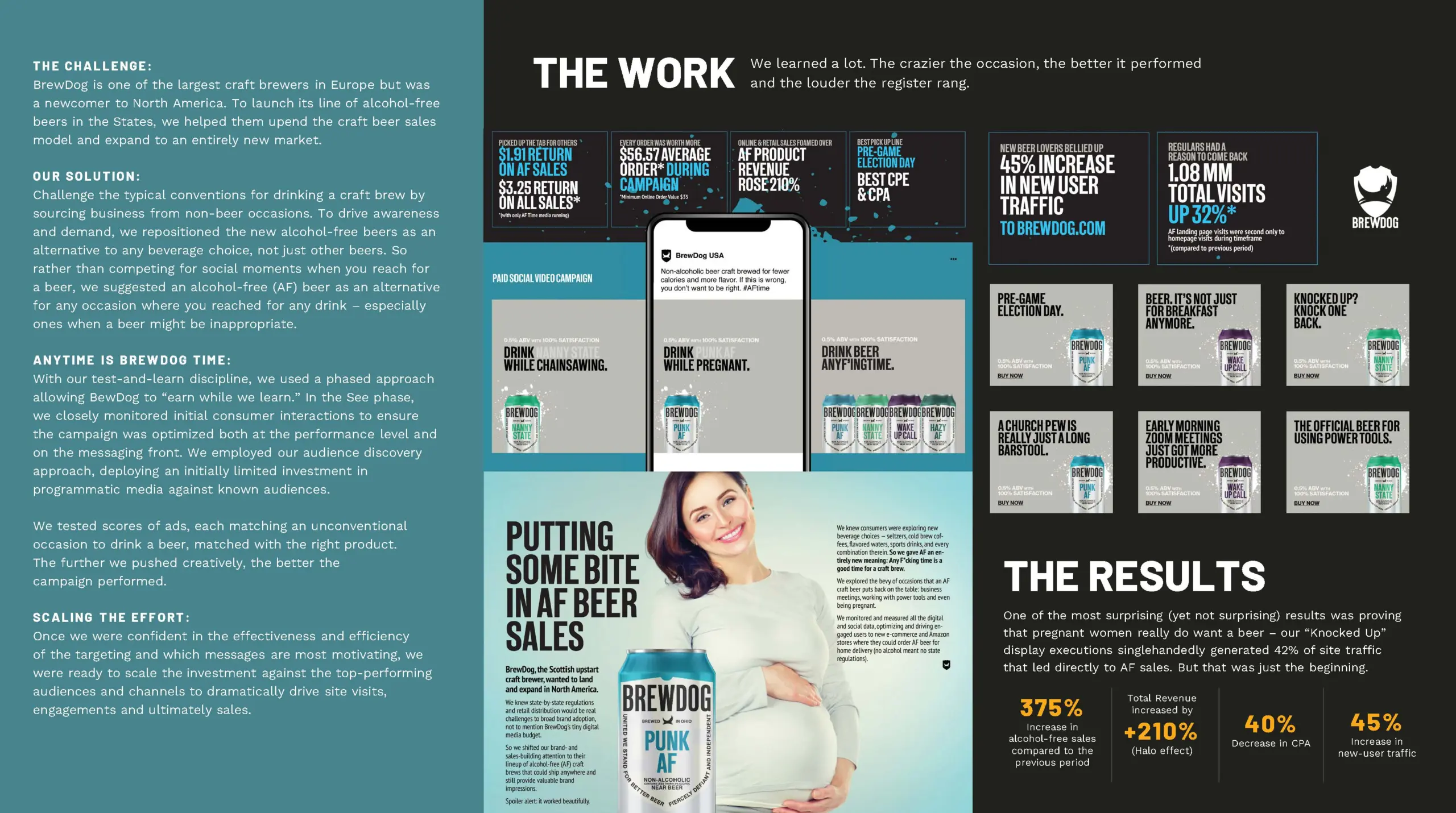
CASE IN POINT

When developing marketing partnerships, look for brand partners with their own built-in cult followings to multiply your fan base.

“When we collaborated with Ted Lasso and Dolly Partner on custom ice cream flavors, we were looking for cultural icons with a built-in passion community. It meant that if we created something new, it would activate their followers and our customers too.”
Ryan Morgan
Head of Brand Strategy, Jeni’s Splendid Ice Creams
Toolbox

TOOLBOX: What are your brand CHARMS?

One of the hallmarks of cult brands is their ability to inspire consumers to engage in fanatical (and sometimes outlandish) behaviors. But you don’t have to be a cult brand to act like one. The Shipyard’s Chief Creative Officer David Sonderman explains how all marketers can borrow proven methods of cult brands and generate more of those desired behaviors by embracing the principles of CHARMS.

  • Creed: A creed is used by brands to codify their belief system in a way that everyone can instantly interpret. A well-articulated creed will inspire a multitude of actions.
  • History: Every brand has a starting point in the form of an origin story. Origin stories are powerful when told in the right way.
  • Archenemy: Mac versus PC. McDonald’s versus Burger King. Marvel versus DC Comics. Who are your biggest rivals, and how can you leverage these rivalries to become more dramatic and compelling in your storytelling?
  • Rituals: These are the behaviors we adopt instinctively around brands and share with other people. Corona is associated with the lime wedge garnish and summer drink occasions at the beach.
  • Marks: These are the symbols we use to self-identify with brands almost in a tribal fashion. The Green Bay Packers are synonymous with foam cheese heads. Chick-fil-A is forever linked to an image of a cow.
  • Secrets: These are used to make people feel like they are part of an exclusive club. In-N-Out Burger has a secret menu. Jeep has a secret wave among its model owners.
Download the FULL guide

The Marketer's Guide to Engineering Brand Love

TSY_TheMarketersGuideToEBL